
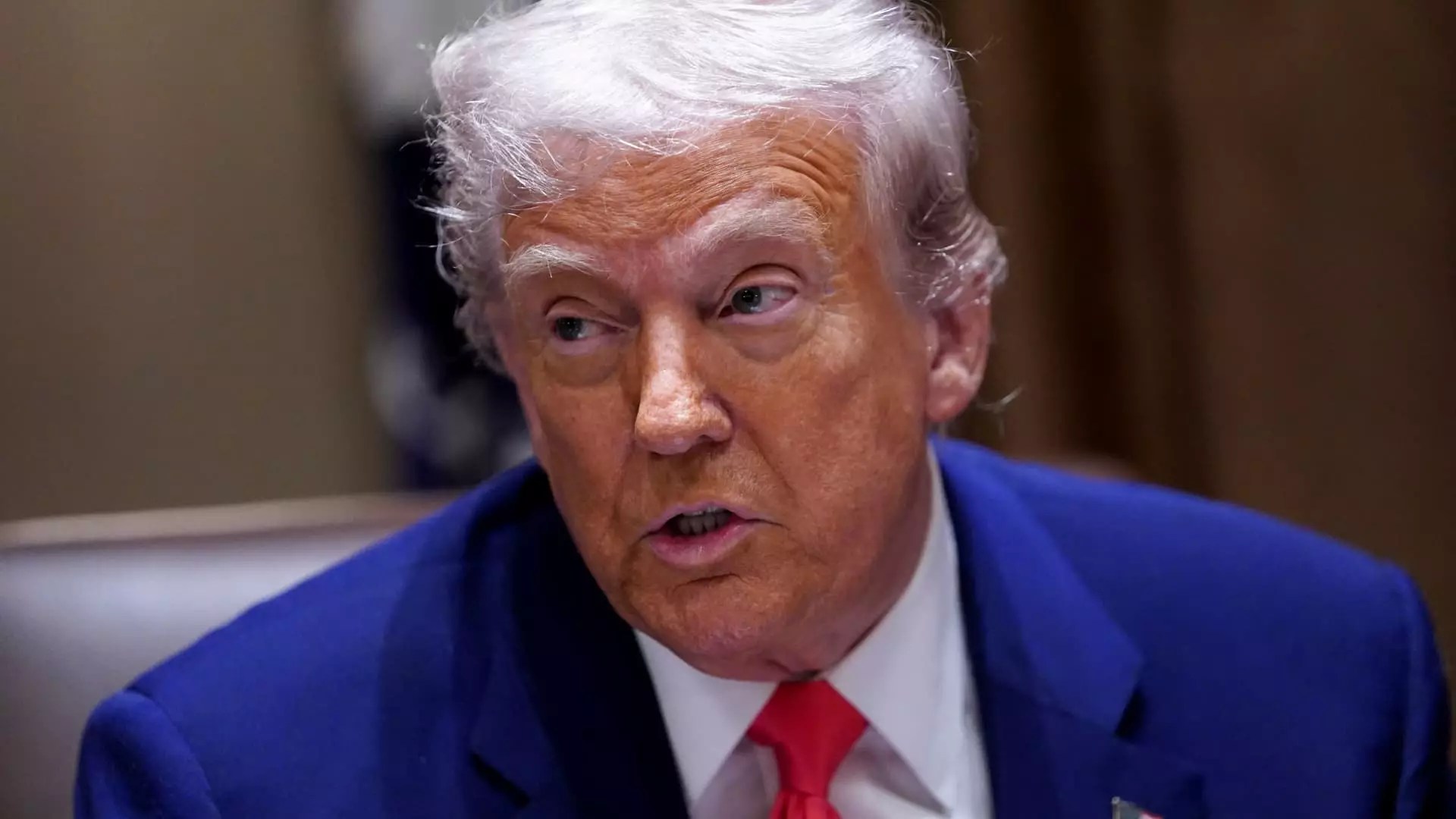
The United States stands at a precipice, facing politico-economic upheaval, thanks to President Donald Trump’s astronomical tariff hike on imports from China. Economist Erica York has weighed in on the matter, indicating that tariffs crossing the threshold of 100% could effectively sever most trade ties between the U.S. and China, ushering in a potentially disastrous era of isolationism. Sounds dire? It certainly is, and now more than ever, we must ask ourselves: What price are we willing to pay to safeguard American industries?
Economic Realities of Protectionism
When examining the impact of tariffs, the reality is stark—an increase to 145% on Chinese goods creates an insurmountable barrier that most American consumers won’t be able to sidestep. York points out that while certain essential imports may still trickle through, the majority will most likely come to a grinding halt. This doesn’t just affect businesses that depend on cheap components but also the everyday consumer who will bear the brunt of inflated prices on essential goods. Shielding our economy from foreign competition sounds appealing, yet this brand of protectionism could lead to self-inflicted wounds that curtail growth and innovation.
The Market Response
The marketplace has reacted swiftly and decisively to this hefty increase in tariffs. There was a notable decline on Wall Street following the White House’s confirmation of the 145% tariff rate, underscoring the real economic fears at play. Investors are worried that the lofty tariffs will not only stifle trade but could ripple through various sectors, leading to broader economic instability. The disillusionment in the market hints at the dire toll this policy may take if allowed to persist.
The Burden of Staggering Tax Increases
What’s more concerning is the dynamic of federal tax increases attributed to these tariffs. The Tax Foundation reports that Trump’s trade policies may generate an astounding $171.6 billion in federal revenue, making these tariffs the most sizable tax hike since 1993. While it might seem like a bonanza for government coffers, this revenue is derived at the expense of American businesses and consumers, raising fundamental questions about its long-term sustainability. Tax increases that disproportionately punish certain sectors can serve to depress economic activity rather than invigorate it.
Escalation in International Relations
China’s response to these tariff increases has not been meek; they have laid down their own retaliatory tariffs. Raising levies on U.S. imports to an eye-watering 84% sends a clear signal that a trade war could soon escalate into a full-blown economic conflict. In an increasingly interdependent global economy, this tit-for-tat strategy poses serious risks, pushing both nations down a path of isolation that may lead to irreversible damage to international trade relations. It’s a perplexing strategy for a nation that has long sought robust trade agreements around the globe.
The Dilemma of Short-term Relief
In a surprising turn, Trump has rolled back tariff rates on imports from most countries to 10% for 90 days, but this gesture of temporary relief does little to alleviate long-term market anxieties. Even so, officials do not entirely discount the possibility of extending the tariff pause, which would provide a glimmer of hope for beleaguered industries. However, the history of rolling back tariffs is fraught with complications, and one wonders if these moves are merely a deflection from a larger issue—a government spinning a web of protectionism while claiming to champion free-market values.
The road ahead is marred with uncertainty. While intentions may run high, the collateral damage of soaring tariffs warrants serious reconsideration.

- Investment Planning For Students Yelofunding - January 8, 2026
- Commercial Real Estate Analysis And Investments Types - January 8, 2026
- 500 Million Reason to Pause: A Critical Look at Louisiana’s Tax Proposals - June 6, 2025
Leave a Reply