
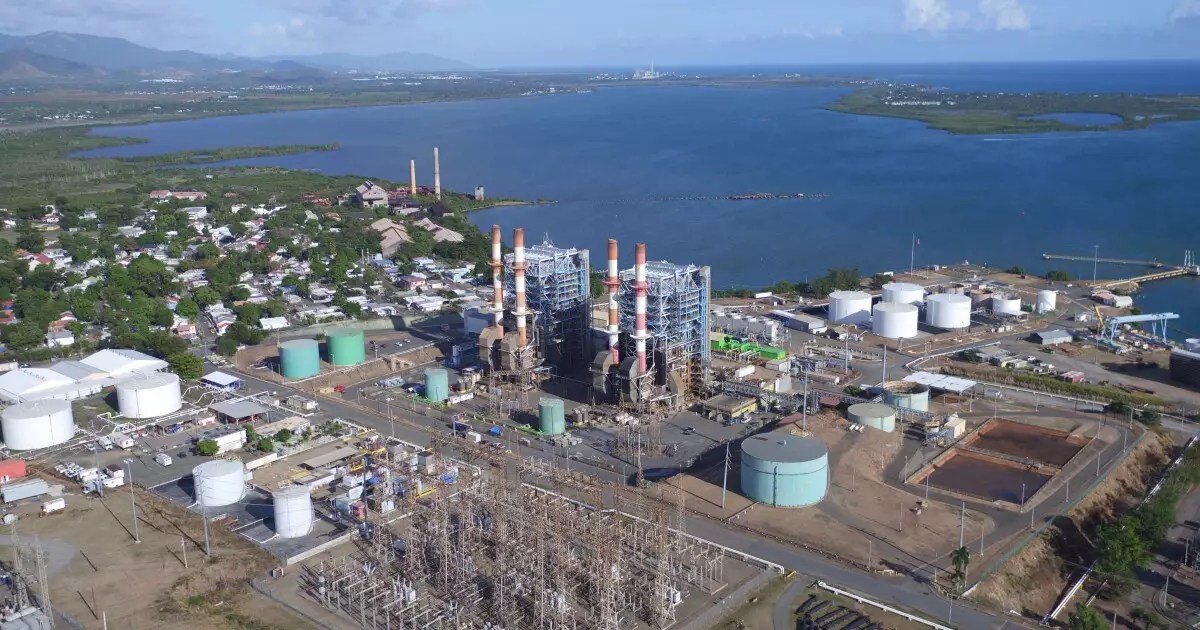
The ongoing saga of the Puerto Rican Electric Power Authority (PREPA) has entered a critical chapter that encapsulates the broader financial crisis facing the island. At the heart of the matter is a contentious dispute involving claims that could exceed $3.7 billion—these aren’t just numbers; they symbolize the fiscal fragility of a territory grappling with an unprecedented economic storm. The Puerto Rico Oversight Board argues that the claims made by PREPA bondholders should not just be relegated, but outright subjugated to a higher priority within the bankruptcy proceedings. Their stance draws lines in the sand, revealing the stark and often brutal realities of financial management that have long plagued Puerto Rico.
The issue at hand isn’t merely financial but ideological, highlighting the rift between creditors advocating for their rights and a government body aiming to stabilize an economy facing a decade-long recession. It’s a classic standoff that pits fiscal responsibility against financial entitlement.
Who Deserves What?
The bondholders contend that they are simply trying to reclaim funds necessary for their survival, arguing that the board’s insistence on subordination violates their rights as secured creditors. However, the Oversight Board fires back, stating that these claims are an overreach—essentially, the bondholders are attempting to siphon resources from an already financially strapped government. The board frames this conflict as less about legal interpretations and more about basic economic justice.
If we analyze this from a center-right liberal perspective, the opinion emerges that the bondholders’ position appears both entitled and shortsighted. They can’t claim special rights over a territory struggling under burdensome debt while demanding immediate cash to satisfy past obligations. Fiscal conservatism suggests that sometimes sacrifices are essential for broader economic rehabilitation, and during times like this, tough choices are unavoidable.
The Constitutional Arguments
The bondholders argue their case using a constitutional framework that suggests ambiguity allows for “constitutional avoidance.” However, the board rebuffs this claim, arguing that such interpretations apply only when the law presents ethical dilemmas—a condition not present here. The board maintains that the existing bankruptcy laws clearly delineate the precedence of claims, making it essential for all parties involved to adhere to those rules.
Herein lies a crucial point of contention: how much can the bondholders veil their demands under the guise of constitutional obligations? The board’s rejection of specific claims manages to highlight the inherent inequalities of bondholder privileges in financial crises. Perhaps the bondholders—through their insistence on cash settlements—are dangerously putting their financial interests ahead of the socio-economic recovery of an entire populace that has already suffered significant setbacks.
The Broader Implications for Puerto Rico
This disagreement isn’t merely a legal technicality but rather a deeply rooted issue that questions the viability of Puerto Rico’s fiscal policies. The Oversight Board isn’t merely asserting its position; it is also attempting to shepherd Puerto Rico toward fiscal wellness under rigorous economic constraints. The inherent question remains: Can PREPA or any other governmental entity afford to satisfy claims while simultaneously working towards economic revival?
Moreover, the assertion by Puerto Rico’s Fiscal Agency and Financial Advisory Authority that PREPA has been short on cash since the outset of the bankruptcy casts a cloud over assumptions of wealth that the bondholders seem to hold as sacred. This amounts to a classic battle of perspectives: one side seeks urgent financial restitution, while the other advocates for a long-term financial strategy that favors sustainability over immediate payouts.
The expectation that PREPA simply cough up astronomical sums post-bankruptcy lacks consideration of the very real context it operates in. The possibility of a consensual agreement comes off as the most sensible route for all parties involved. After all, in the grand narrative of Puerto Rico’s recovery, cooperation might just be the key to unlocking economic stability.
In a time when every dollar counts, not simply for creditors but for the future of the island’s residents, the insistence on rigid financial claims appears not just misplaced but also fundamentally antagonistic to Puerto Rico’s journey toward recovery. The narrative unfolding in the PREPA bankruptcy paints a vivid picture of an island struggling not just against its creditors but against a history of mismanagement and systemic financial inequities. As events progress, the hope is that common ground can be reached, paving the way for a time when Puerto Rico can emerge intact from its fiscal shadows.

- Investment Planning For Students Yelofunding - January 8, 2026
- Commercial Real Estate Analysis And Investments Types - January 8, 2026
- 500 Million Reason to Pause: A Critical Look at Louisiana’s Tax Proposals - June 6, 2025
Leave a Reply