
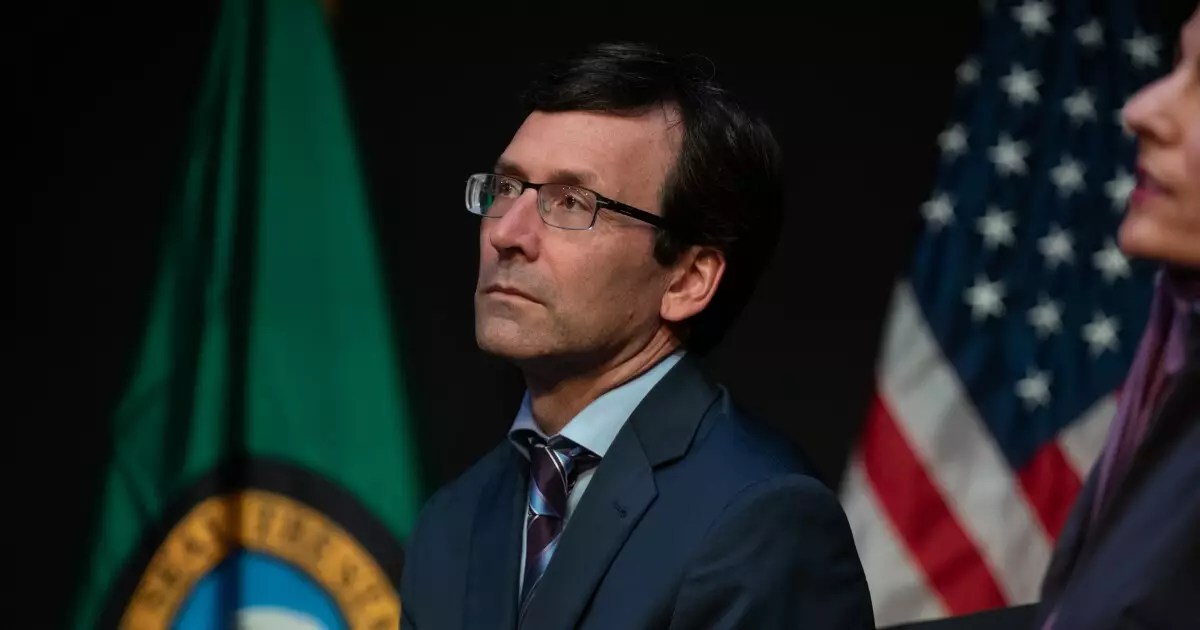
Washington State’s recent victory in the legislature over budget approvals was short-lived, revealing a deeper crisis looming on the horizon. Governor Bob Ferguson’s swift rejection of both the House and Senate’s proposed operating budgets is more than a mere political hiccup; it is a call to action that should not be ignored. For any center-right liberal, the unfolding scenario embodies the dangers of overspending and reckless budgeting practices that prioritize tax increases over fiscal responsibility. This state of affairs raises critical questions about the direction in which Washington State is heading and the sufficiency of its leaders in addressing these urgent fiscal challenges.
The Perils of Tax Proposals
Perhaps the most shocking feature of the proposed budgets is the reliance on a wealth tax—a concept that is not only novel but also fraught with potential legal challenges. Ferguson has voiced his concerns, emphasizing that such a tax would face immediate scrutiny in court and complicate the implementation of a sustainable budget. In essence, legislators need to reconsider their dependency on these untested revenue sources and focus more on proven fiscal strategies. This inclination to lean on wealth taxes reflects a troubling tendency among some lawmakers to view taxation as a primary solution to budgetary holes rather than a last resort. Tackling budget deficits with additional taxes could foster a toxic cycle where hardworking Washingtonians bear the brunt of short-sighted decisions.
The Overwhelming Deficit Dilemma
The staggering projected deficit of $16 billion over the next four years paints a grim picture of Washington’s financial future. What has become evident is the disruption brought forth by recent cuts in federal funding, trends that point toward a more than 28% reliance on federal dollars to sustain the state’s budgetary framework. Critically, Ferguson outlines this figure in no uncertain terms, warning that federal funds are not guaranteed. This dependence is a perilous path, as federal support can be withdrawn at the whims of a chaotic government. Aligning state budgets with policies that factor in the undeniable volatility of federal funding can no longer be sidelined.
Preserving Economic Stability
Ferguson’s desire to maintain the “rainy-day fund” as a buffer against unpredictable economic storms stands out as a beacon of fiscal wisdom. A robust rainy-day fund is critical; draining these reserves not only jeopardizes Washington’s bond ratings but also raises the cost of borrowing needed for vital infrastructure projects. The fact that Washington State holds a distinguished triple-A rating from both Moody’s and Fitch speaks volumes about its financial credibility, enabling the state to execute important projects at lower costs for its citizens. A center-right liberal perspective must prioritize these stable financial practices over momentary relief efforts that could flood the state with additional debt and liability.
A Cautious Approach to New Investments
As Ferguson pushes for a budget that preserves essential services and prioritizes K-12 education, it raises a poignant concern amongst fiscal conservatives: should we risk new investments in uncertain economic waters? Prioritizing core services is essential in this moment of crisis, building a solid foundation before exploring more ambitious projects. New investments should only be considered when the state’s economic future looks stable and predictable. A conservative approach to budgeting requires patience and prudence, emphasizing existing commitments over entering new financial responsibilities that could further strain resources.
While Ferguson’s rejection of the current budget proposals and his inability to enact immediate changes may seem like a setback, the underlying message is one of urgency. Lawmakers must understand that the clock is ticking. If they wish to avert a full-blown fiscal disaster, they must pivot quickly. The electorate expects responsible governance that prioritizes long-term economic soundness over short-lived fiscal expediencies. As it stands now, Washington State stands at a crossroads, with opportunities to implement rational policies rather than succumb to the temptation of quick fixes that could spiral into long-lasting strife.

- Investment Planning For Students Yelofunding - January 8, 2026
- Commercial Real Estate Analysis And Investments Types - January 8, 2026
- 500 Million Reason to Pause: A Critical Look at Louisiana’s Tax Proposals - June 6, 2025
Leave a Reply