
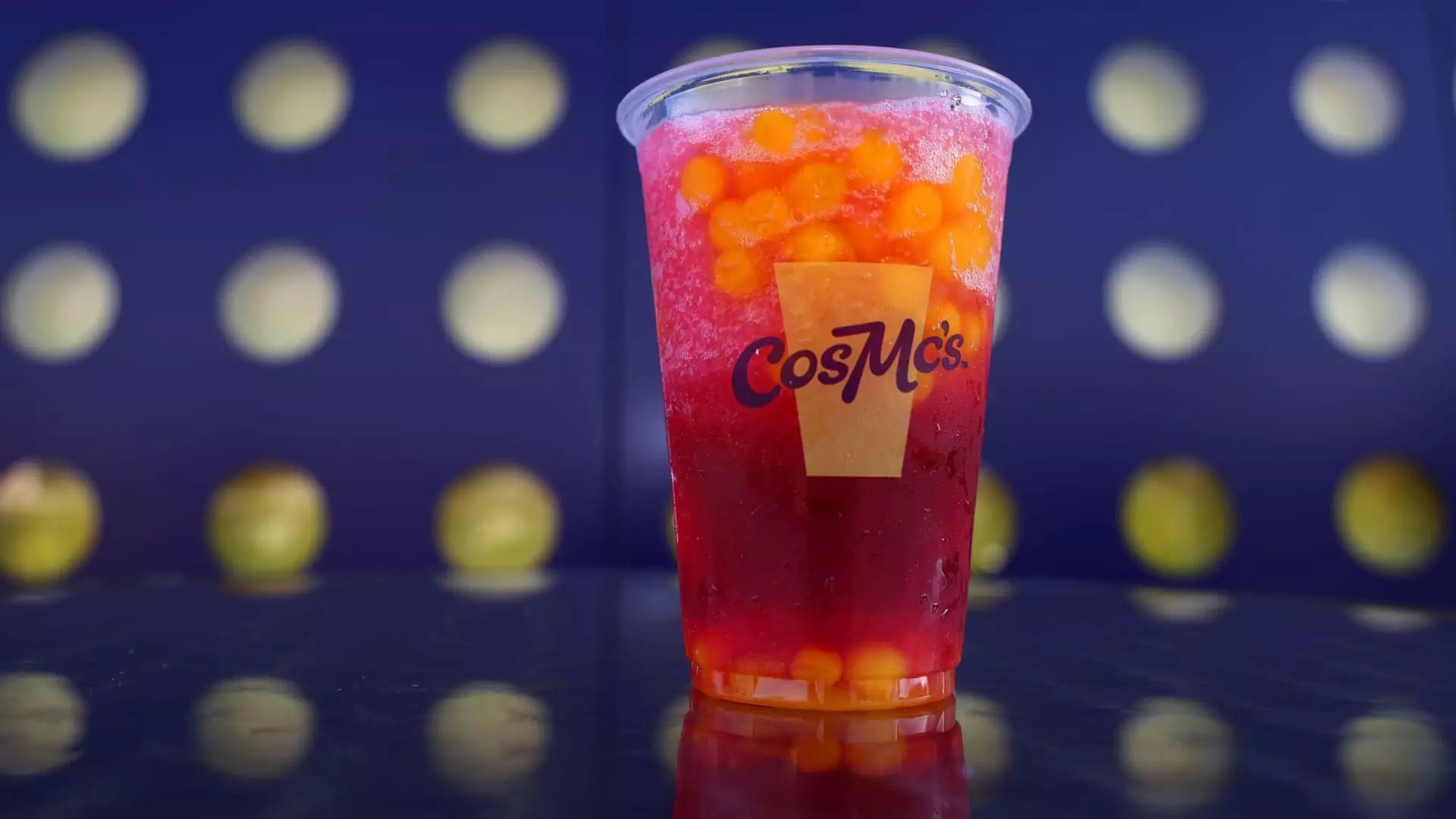
Fast food isn’t just about greasy burgers and fried chicken anymore; the industry is dynamically pivoting towards drinks that can energize their brand image and inject vivacity into their menu. Treats overflowing with colorful flavors and convenient consumption options are becoming the battleground where brands vie for the attention of a fickle, youthful audience. Chick-fil-A’s seasonal Pineapple Dragonfruit drink and Taco Bell’s innovative Live Mas Café concept are just a few examples of the radical experiments unfolding within the fast-food realm, signaling a larger movement that prioritizes beverage diversity and bold tastes over traditional offerings.
This evolution is not merely a passing gimmick but a calculated maneuver. Fast-food chains are realizing that tapping into beverage culture—previously sidelined—can catapult sales and margins into new stratospheres. According to industry insights, the consumer shift away from sodas has created a ripe opportunity for chains to enhance their drink offerings with signature concoctions that resonate with a younger demographic. Bright colors and exotic flavors are not just trendy; they reflect the ethos of Gen Z, who is undeniably more adventurous in their flavor preferences compared to their predecessors.
Gen Z’s Preferences: The Untamed Frontier
Gen Z, often hailed as the most flavor-seeking generation, brings about a veritable goldmine of opportunities for forward-thinking fast-food brands. This demographic is characterized by an eagerness to explore unconventional flavor profiles, from butterfly pea flower to ube. Such boldness invites brands to join in the fray, creating concoctions that appeal to the adventurous spirit. Wendy’s lemonade offerings serve as a case study; their inclusion of blueberry pomegranate and pineapple mango has not only diversified their menu but also yielded profitable returns.
The beverage boom is not merely a revival of soda options but rather an exploration of flavor complexities that delves into cultural mashups. The meteoric rise of bubble tea in the U.S. has catalyzed similar adaptations within fast-food outlets. Brands are increasingly willing to push the envelope, throwing health and traditional tastes to the wind in favor of sugary extravaganza. This trend, while lucrative, raises questions about sustainability and nutritional value, reminding us that the relentless quest for profit often drowns out health concerns.
A Sweet Trap for Customers
As chains continue to innovate with high-calorie, sugar-packed beverages, their promotions cater to a more indulgent culture. Claire Conaghan, a trendologist, emphasizes how these sugary beverages are perceived as attainable luxuries—a “little treat” that consumers can easily justify. The fast-food industry is harnessing this sentiment, framing extravagant drinks as affordable indulgences. But is this sustainable? As the market leans heavily into sugar-laden drinks under the guise of fun, it tempts customers towards unhealthy consumption patterns that could lead to larger societal health issues.
Moreover, the decision to spotlight beverages as primary sales drivers reflects a growing recognition that drinks present a less complicated avenue for revenue compared to elaborate food menu expansions. Operators can quickly streamline new offerings with a simple syrup change or flavor addition. In an industry constantly under pressure to elevate profit margins, beverages may seem like an easy win, but at what cost?
Taco Bell’s Gamble: A $5 Billion Beverage Bet
Taco Bell’s ambitious projections to build a $5 billion beverage business by 2030 encapsulate this trend perfectly. The fast-food titan is doubling down on their beverage-focused initiatives through innovative concepts like the Live Mas Café, which aims to create buzz while delivering diverse options. The fusion of energy drinks with their signature offerings pushes the envelope, aligning well with Gen Z’s excited palate.
However, this expansion raises critical questions about brand integrity and the true distinctive nature in a saturated market. Will these investments truly lead to long-term customer loyalty, or will they merely result in a fleeting interest manifesting as temporary sales spikes? As companies chase ever-elusive profits, they must tread carefully to maintain their brand identities amidst this beverage frenzy.
Navigating the Future of Fast Food
While it’s clear that beverages are the new frontier for fast-food chains, the overarching success of these strategies hinges on a delicate balancing act. As companies experiment with flavors and expand drink menus, they must also remain vigilant of the growing concerns surrounding health and sustainability. The fast-food landscape has irreversibly changed, and brands must adopt a hybrid approach that considers flavor innovation alongside consumer wellness. Failing to do so could alienate a generation that, while adventurous, is also increasingly conscious of its choices.
Balancing indulgence with responsibility will determine the trajectory of fast-food chains. In the mad rush to dominate the beverage sector, operators would be wise to remember that their legacy and consumer trust hang in precarious balance.

- Investment Planning For Students Yelofunding - January 8, 2026
- Commercial Real Estate Analysis And Investments Types - January 8, 2026
- 500 Million Reason to Pause: A Critical Look at Louisiana’s Tax Proposals - June 6, 2025
Leave a Reply