
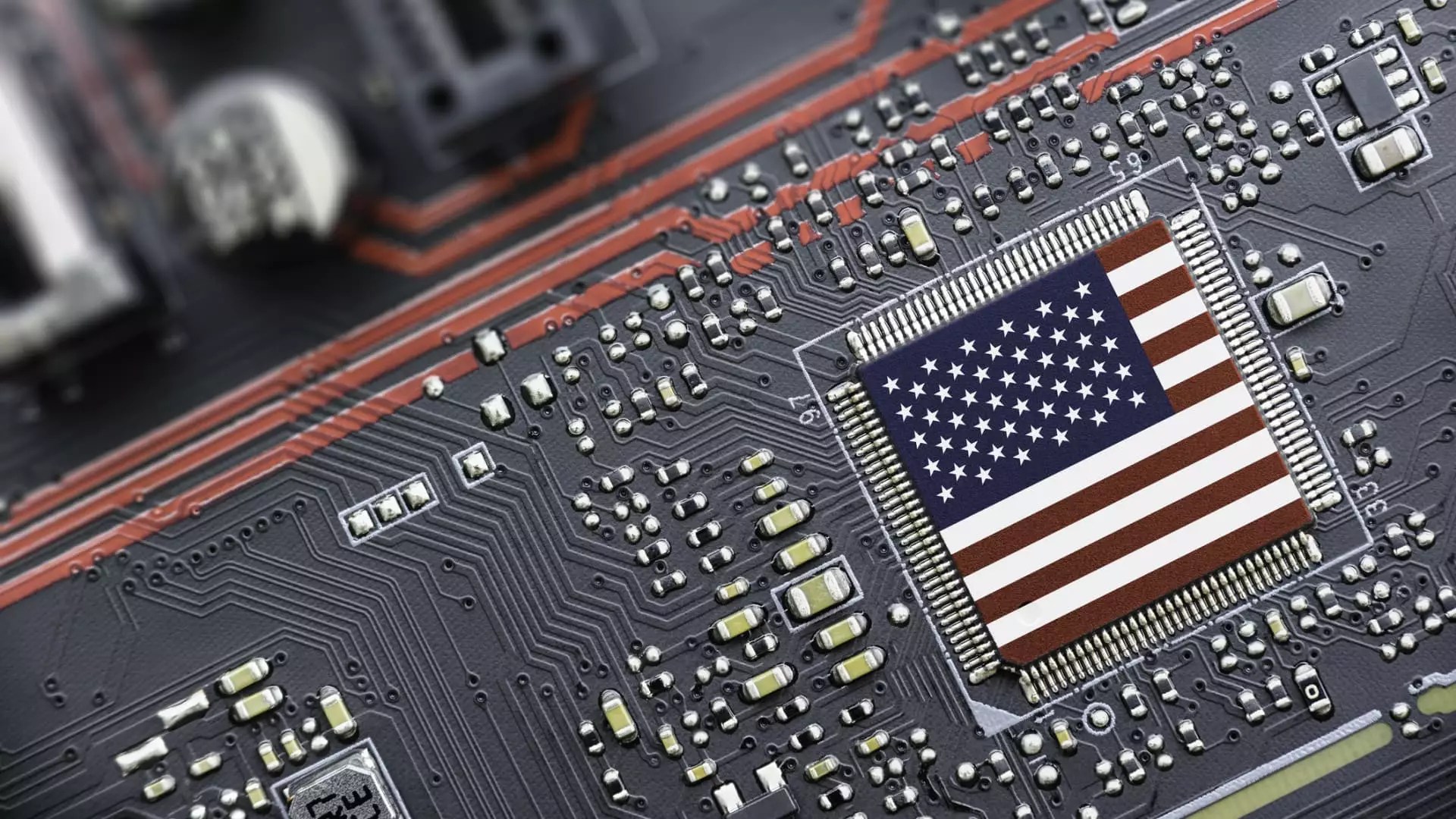
The recent instability in the semiconductor sector has become troubling, as evidenced by a significant downturn in chip stocks, despite seemingly positive announcements from the Trump administration regarding tariffs. Companies like Nvidia and Micron felt the brunt of investor pessimism, with Nvidia shares plummeting by nearly 7% and Micron cratering 14%. This downward spiral raises unsettling questions about the future of the semiconductor industry—a sector that once soared on the coattails of burgeoning technological advancement.
What initially appeared to be promising news—exemptions from hefty tariffs that could otherwise choke the industry—has done little to alleviate investor fears. Instead, this situation highlights a systemic malaise permeating the market, leading stakeholders to weigh the impacts of future tariffs and consumption slowdown. Throwing good news into the chamber of investor skepticism is a dangerous gambit; it’s akin to trying to extinguish a fire with gasoline.
The Tariff Mirage
While it’s easy to get caught up in the optimism surrounding tariff exemptions, this perspective fails to acknowledge the complexities lurking beneath the surface. The stark reality is that while some elements of the semiconductor industry might dodge immediate hits, tariffs on the horizon remain a Sword of Damocles hanging precariously over companies. The reported potential for tariffs around 10% is not just numbers on a paper—it’s a ticking time bomb that could evolve from a deferred headache into a fiscal nightmare.
One must ponder: do these companies really have the necessary strategies to sustain operations amidst constant tariff-induced jitters? The broader ramifications echo through the entire supply chain, potentially undermining demand and dampening consumer confidence. Similar to a domino effect, the imposition of tariffs on essential technologies could fan the flames of contractual and financial instability.
A Demand Outlook on the Brink
Peering deeper into this predicament, we encounter startling revelations regarding potential demand collapse. The vast majority of chips do not exist in isolation; they arrive housed within finished products that ultimately impact consumer purchasing decisions. If tariffs escalate towards 40% on sectors such as computing devices—amounting to a staggering $200 billion in imports—the impact could reverberate not just in sales figures but also in the consumer psyche.
Nvidia’s position epitomizes this precarious balancing act. As tech giants like Alibaba reportedly queue up with billions in orders, Nvidia finds themselves on a tightrope between fulfilling demand and preparing for possible export constraints. It’s reminiscent of a high-stakes poker game, where the worst hand may turn out to be the one you thought was a sure win.
The Cloud Dilemma
Diving further into the chaos, the recent delays in major infrastructure projects by powerhouses like Microsoft add a tragic layer to the pre-existing uncertainty. The landscape of AI services had previously painted a vibrant picture of growth, yet the stark changes to investment strategies raise red flags about demand. A sudden drop in projects could galvanize a pullback not just in chip manufacturing but across the entire technology landscape.
CoreWeave’s stock drop of 8% amid these developments serves as a case study of the frozen moment that defines the industry’s outlook. One can’t help but wonder whether a prolonged indecisiveness in support for infrastructure will stifle innovation and result in long-term ramifications for demand across the board.
The Hazy Future of Domestic Production
Although there’s speculation that American companies such as Intel may receive rebounds from any shifts towards domestic production, the initial shocks from dwindling demand are likely to outweigh any potential benefits of protectionist policies. Such a scenario raises more questions than it provides answers: Are policymakers framing a myopic view of protectionist strategies? Are they sowing seeds that could eventually choke innovation in the very ecosystems they aim to strengthen?
The stakes have never been higher; as the chips (and fortunes) fall, the industry must navigate this turbulent path with strategic and innovative approaches. The tech market finds itself at a crossroad, where vigilance and adaptability will be paramount for survival amidst unforeseen challenges. The semiconductor industry, once a beacon of unbridled potential, now teeters on the edge of uncertainty, and words alone will not mend the fractures within its foundation.

- Investment Planning For Students Yelofunding - January 8, 2026
- Commercial Real Estate Analysis And Investments Types - January 8, 2026
- 500 Million Reason to Pause: A Critical Look at Louisiana’s Tax Proposals - June 6, 2025
Leave a Reply