
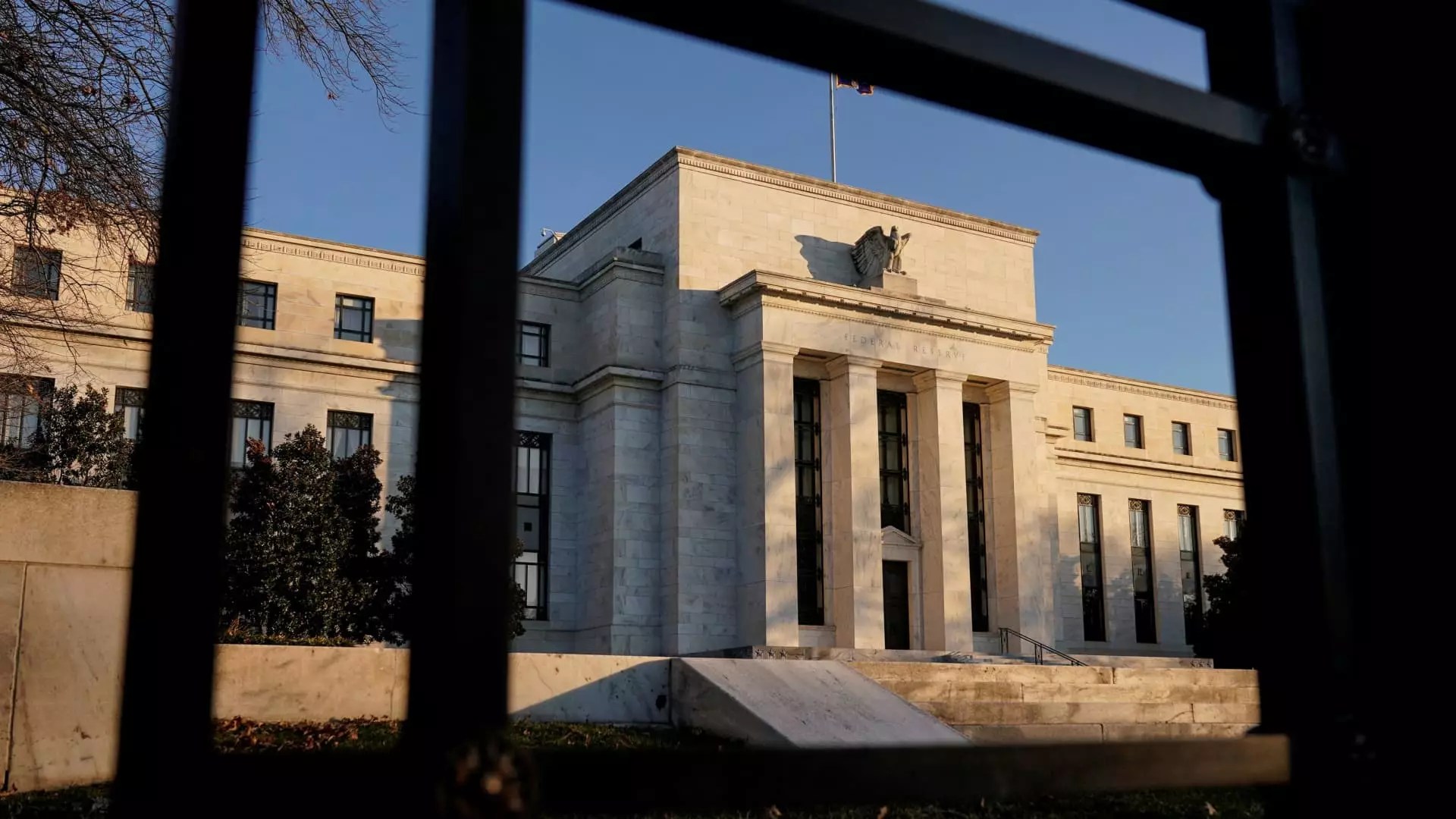
The recent decision by the Federal Reserve (the Fed) to keep interest rates unchanged has drawn both attention and criticism, particularly as the nation grapples with the ramifications of President Donald Trump’s tariff policies. While some may argue that holding the rates steady can ensure stability in fluctuating economic conditions, the potential long-term consequences of such inaction cannot be ignored. With tariffs increasingly weighing heavily on the economy, the Fed’s cautious approach seems less about prudence and more about reacting to the shifting sands caused by an uncertain policy environment.
Economic decisions are often fraught with complexity, but the Fed’s choice to stay the course at this juncture points to a worrying trend—an aversion to bold actions while the nation could be on the precipice of an economic downturn. The cautious stance can lead to stagnation, particularly for middle-class consumers who are already feeling the financial strain caused by escalating prices on essential goods. When the Fed opts for inaction, they essentially place a lid on economic recovery, constraining the very consumers that form the backbone of our economy.
Understanding the Tariff Impact
Brett House, an esteemed economics professor at Columbia Business School, has insightfully pointed out that tariffs on critical commodities such as aluminum, steel, and oil are not merely temporary nuisances—they can trigger widespread price increases throughout the economy. This is especially troubling as the country prepares for a potential escalation in trade wars, which could hurt economic growth even further. When consumers see prices rise due to tariffs, they have less money to spend on discretionary items, thereby impacting various sectors from retail to real estate.
The anxiety surrounding these tariffs isn’t merely hypothetical; it has already begun to manifest in the consumer outlook. The notion that domestic prices would likely rise due to external policy decisions illustrates the vulnerabilities that consumers face amidst a global economy. Importantly, while the Fed continues its wait-and-see approach, American households find themselves caught in the crosshairs of uncertain trade relations and a volatile interest rate environment.
Challenges of High Borrowing Costs
The Fed’s inaction has a cascading effect on consumer borrowing rates. While it might seem that a stable federal funds rate should provide a comforting backdrop for borrowers, it doesn’t address the underlying concerns related to inflation and economic uncertainty. As of now, credit card APRs remain stubbornly high, only marginally dipping from previous records. For families trying to make ends meet, this translates to compounding financial stress.
Greg McBride, Bankrate’s chief financial analyst, articulates that the pressure on household budgets remains “unrelenting.” Consumers are struggling not just with high prices but with elevated borrowing costs that have been exacerbated by indecisive monetary policy. When it comes to mortgages, auto loans, and other essential financing options, the Fed’s response—or lack thereof—does not offer adequate relief to everyday Americans.
The notion of easing borrowing costs as a palatable remedy feels like a misplaced comfort when consumers are already burdened by escalating prices in essential goods and services. A strategy that advocates for a reactive adjustment based on market conditions can often lead to more instability, rather than a proactive response that could pave the way for genuine recovery.
Housing Market Under Pressure
The decline in mortgage rates due to investor concerns about economic weakness presents a distorted picture of the housing market. While the average 30-year fixed-rate mortgage has fallen, the context of this decline is critical. McBride notes that falling rates due to fears of recession don’t necessarily suggest opportunities in the housing market; rather, they reflect weakness and uncertainty.
An economic environment riddled with elevated sticker prices and increased loan costs for vehicles feeds back into the broader housing market, minimizing opportunities for young homebuyers who are most affected by these economic realities. The idea that lower mortgage rates could stimulate the housing market ignores the fact that when economic outlooks are grim, the willingness to invest in that market diminishes substantially.
The Student Loan Bailout
As the Fed maneuvers through these tumultuous waters, student loan borrowers remain critical yet largely shielded from immediate impacts due to fixed rates. However, the growing burden of student debt cannot be divorced from the wider economic context. Rising rates for new loans, particularly fixed federal loans, reflect a trend that is unlikely to foster optimism among younger adults entering the workforce. Coupled with existing debt, this creates a precarious environment for social mobility and economic growth.
While the Fed’s inability to react boldly might suggest stability, it is imperative to recognize how that stability is built on a shaky foundation of high prices and stagnant wages. How will the institution navigate these broader economic challenges while maintaining its credibility as the central bank that supports growth and prosperity?
A strong, responsive policy mechanism is required not only to address inflation but also to encourage vibrant economic activity among all citizens of the nation. Continuing to postpone significant action could end up exacerbating consumers’ struggles. As we stand at a pivotal moment in economic history, the Fed must consider whether its fear of instability results in the very stagnation it seeks to avoid.

- Investment Planning For Students Yelofunding - January 8, 2026
- Commercial Real Estate Analysis And Investments Types - January 8, 2026
- 500 Million Reason to Pause: A Critical Look at Louisiana’s Tax Proposals - June 6, 2025
Leave a Reply