
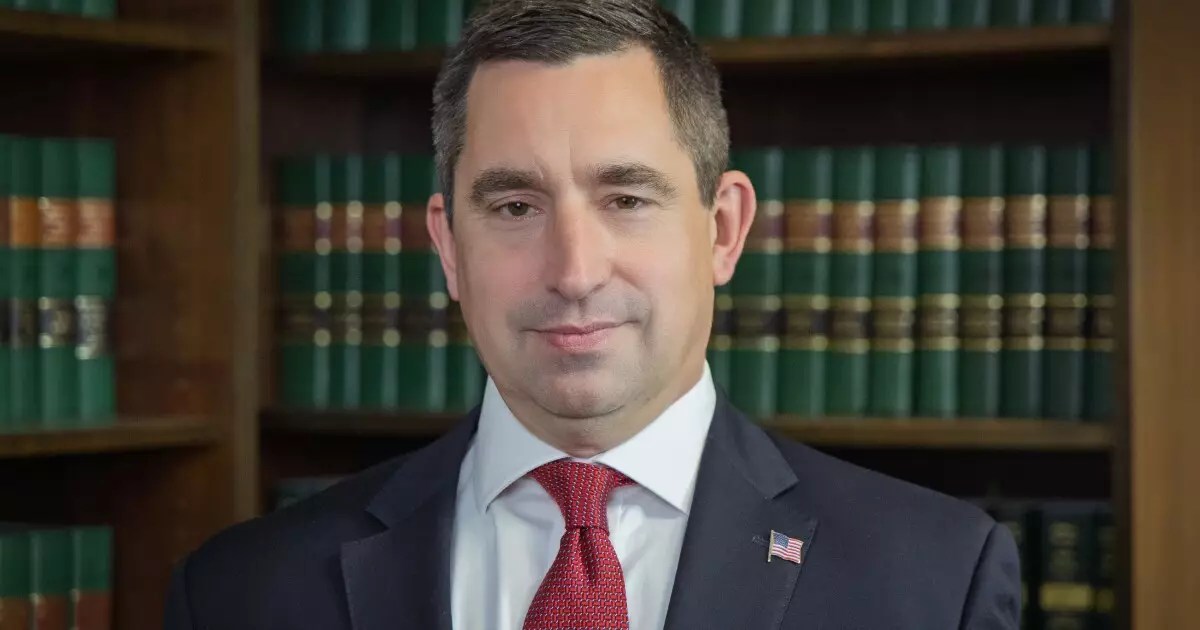
The recent announcement from North Carolina State Treasurer Brad Briner, designating Jeff Poley as the interim director of the State and Local Government Finance Division, marks an essential pivot in the financial landscape of the state. Though Poley has made clear his disinterest in a permanent role, his selection during this transitional phase reveals a deliberate strategy — one guided by experience rather than a mere stopgap measure. In an environment where financial stability is paramount, especially for municipalities still grappling with the aftereffects of natural disasters like Hurricane Helene, the importance of seasoned leadership cannot be overstated.
The Weight of Experience
Briner’s endorsement reflects a profound understanding of the challenges local governments face. Poley, with over 28 years of expertise as a bond lawyer and a historical connection to local government, represents a continuity that is critical for ensuring a stable economic environment. His ability to utilize relationships built over decades to hasten financial assistance showcases not only his commitment but also his efficiency in crisis management. While it’s tempting to appoint fresh faces in leadership roles, the reality is that seasoned professionals like Poley are crucial to navigating complex fiscal waters.
Community Trust and Relationships
Poley’s track record is underpinned by an impressive history of community engagement and governmental relationships. His work on the Hurricane Helene Cashflow Loan Program exemplifies how informed leadership can expedite recovery efforts for affected communities. Such initiatives are not just bureaucratic processes; they symbolize a commitment to community wellbeing and economic resilience. In a politically charged atmosphere where local governments often grapple for resources, the ability to trust in a transparent, experienced leader is invaluable.
The Dynamics of the Local Government Commission
Poley’s appointment highlights another key aspect of North Carolina’s governance — the Local Government Commission (LGC). With oversight by prominent leaders, including the state treasurer and members of the public, the commission is tasked with ensuring that local governments remain fiscally sound. It’s a complex network that requires adept leadership and careful scrutiny of proposed municipal bonds. Meanwhile, the ongoing transition in direction raises questions about the long-term implications for fiscal policies in North Carolina. The reliance on an interim leader, while necessary, might generate unease among stakeholders who demand consistent leadership and clear financial strategies.
A Call for Permanent Leadership
As North Carolina’s fiscal landscape continues to evolve, the need for a committed, long-term appointment becomes urgent. While Poley is an asset during this interim period, there’s an inherent risk in the temporary nature of his role. A permanent director would provide not only stability but also a vision that can drive innovations in financial management and local government support. Looking forward, it’s crucial for Briner’s administration to prioritize the search for a leader who embodies both experience and a forward-thinking approach to ensure that local governments are not just surviving but thriving in the face of challenges.
In an era where economic resilience is paramount, the qualities of leadership in North Carolina’s State and Local Government Finance Division will undoubtedly shape the future of its municipalities. The stakes are too high for anything less than a robust, visionary approach to governance.

- Investment Planning For Students Yelofunding - January 8, 2026
- Commercial Real Estate Analysis And Investments Types - January 8, 2026
- 500 Million Reason to Pause: A Critical Look at Louisiana’s Tax Proposals - June 6, 2025
Leave a Reply