
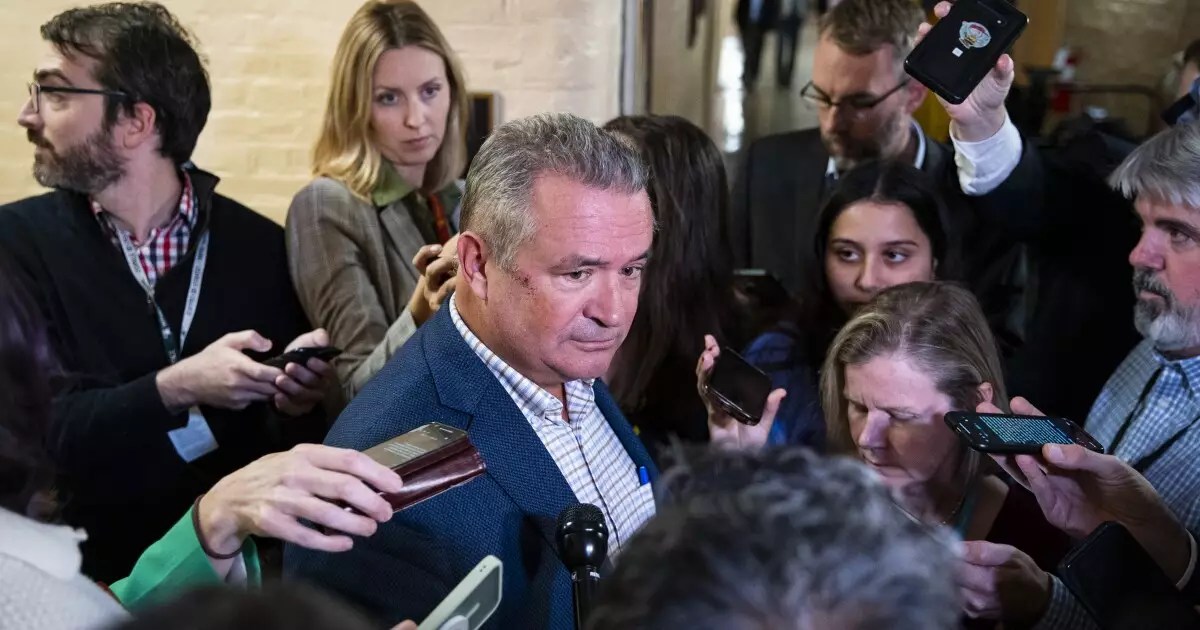
Tax-exempt municipal bonds represent a cornerstone of public financing in America, providing not only a lifeline for local governments but also acting as a significant driver of economic growth. As the political landscape shifts and discussions around fiscal policies intensify, the recent push from Nebraska Representative Don Bacon calling for the preservation of these bonds could not come at a more pertinent time. Advocates, from local leaders to state officials, are increasingly concerned that proposals aimed at raising revenue may target these bonds, threatening both local economies and essential community services. The implications of such a move would be catastrophic, especially for small towns and rural areas that heavily rely on this funding mechanism.
A Critical Tool for Local Economies
The message from Bacon’s draft letter is unequivocal: “The tax-exempt bond has helped drive the local economy…” This statement resonates deeply; municipal bonds have historically funded infrastructure projects that are the backbone of community life—everything from schools to highways to public transportation systems. When local governments can issue bonds without the burden of federal taxation, they can finance critical services at a lower cost, translating to better infrastructure, job creation, and improved quality of life for their constituents. Eliminating this tax exemption would not only increase borrowing costs for these municipalities but would also divert precious resources away from public goods, ultimately harming the citizens who rely on them.
The Political Landscape: A Dangerous Game
Amid Washington’s cacophony of partisan rhetoric, the risk of scapegoating municipal bond tax exemptions as a means to fund expansive federal tax cuts illustrates a troubling trend. The GOP’s ambitious tax package aims for revenue generation without clearly considering the fallout on state and local governments. It’s perplexing to witness an approach that threatens to undermine the very instruments enabling communities to thrive financially. Even centrist policy makers, such as Bacon, recognize that fiscal responsibility should not come at the expense of local autonomy and capacity.
Supporters like the National League of Cities emphasize that losing tax-exempt bonds could “blow up city economies around the country.” It’s essential to examine the potential backlash: small and rural cities could be disproportionately impacted, as they often lack alternative funding sources. The loss of this financial tool would essentially leave them at the mercy of federal funding priorities, a game that most rural America cannot afford to play.
The Call to Action: Why Representatives Must Unite
Bacon’s outreach reflects the need for bipartisan cooperation, recognizing the importance of local governance over sweeping federal control. The urgency conveyed in his letter underscores a very real necessity to mobilize fellow lawmakers. The appeal to preservation through a Dear Colleague letter serves as not just a rallying cry but as a direct acknowledgment from a prominent representative that these financial instruments are vital.
This awareness reveals a more profound realization within some Republican ranks that supporting local governments can be a unifying issue, transcending party lines. If representatives were to put their egos aside and recognize that constituents would benefit from a strong local economy, it could exceptionally elevate discourse around municipal finance. The ability to fund essential infrastructure projects and foster economic growth should bind our leaders together, regardless of their political allegiance.
Beyond Politics: The Consequences on Everyday Lives
When representatives like Bacon assert the importance of preserving tax-exempt municipal bonds, it is essential to remember what is at stake: our communities. As the debate over funding methods rages on, it is the citizens who will bear the brunt of any impending failures. Increased costs for public projects will likely translate to higher taxes, diminished public services, or outright project cancellations.
The sovereignty of local governments and the capacity to generate funding for vital initiatives ought to be sacrosanct in our political discussions. Being a champion for local governments, as noted by advocates like Dante Moreno, is not merely about ideology; it is about safeguarding the rights of communities to self-govern and thrive economically. In a nation that prides itself on democracy and self-determination, ensuring local agencies can act effectively should be a cause for all to rally around.
While there are varying opinions on fiscal policies in this ever-polarized climate, the need for a collective, nonpartisan effort to support tax-exempt municipal bonds is crystallizing. Ignoring this urgent call to protect our communities would be a disservice to every American who cherishes local representation and vibrant public services.

- Investment Planning For Students Yelofunding - January 8, 2026
- Commercial Real Estate Analysis And Investments Types - January 8, 2026
- 500 Million Reason to Pause: A Critical Look at Louisiana’s Tax Proposals - June 6, 2025
Leave a Reply