
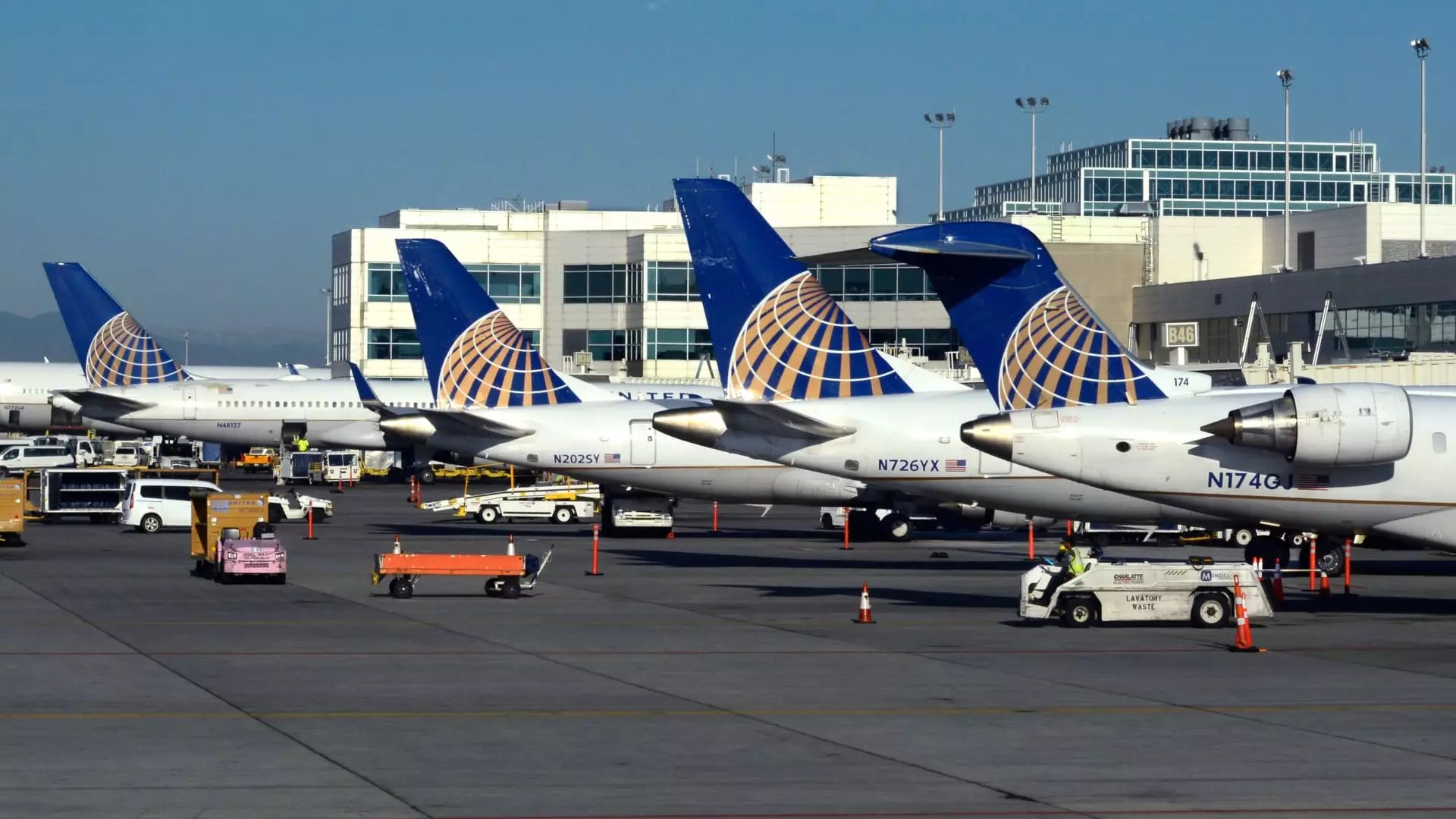
In an era where loyalty programs are designed to cultivate elongated relationships between consumers and brands, United Airlines seems to have forgotten the fundamental principle of reciprocity. The airline recently announced an increase in fees for its annual airport lounge membership and co-branded credit cards. The audacity of this price hike begs an uncomfortable question: how much can consumers endure before they abandon their loyalty altogether? In a market saturated with alternatives, alienating your most devoted customers is a recipe for disaster.
Perceived Value vs. Actual Value
United’s chief executive Richard Nunn contended, “Yes, there are fee increases, but we were very, very cognizant of ensuring that the value increments and the benefits that are delivered outweigh any increase in the cost.” However, this statement raises eyebrows and provokes skepticism. How can the airline claim to provide increased value while simultaneously asking customers to fork out more money? The equilibrium between pricing and perceived value has shifted unfavorably for consumers. When a brand relies on marketing tactics rather than genuine enhancements to service, it risks losing credibility.
Class Segmentation in Airport Lounges
The airline’s strategy of implementing separate tiers for lounge access is another misguided move. By catering predominantly to elite-status travelers while raising the barrier to entry for average flyers, United inadvertently fosters a further divide among its clientele. The trend of overcrowding in lounges could have been a cue for United to innovate and enhance the experience for all travelers, instead of making it exclusive. In doing so, they risk portraying themselves not just as an airline but as a brand that undervalues the average consumer’s experience.
Leveraging Loyalty for Profit
The financial incentives of loyalty programs are difficult to deny. United Airlines reported a staggering $3.49 billion in “other” revenue, predominantly stemming from co-branded credit card spending and memberships. While this figure might impress stakeholders, it also uncovers a glaring juxtaposition: profits driven by loyalty shouldn’t lead to exploitation of that loyalty. Instead of leveraging consumer trust as bargaining leverage for higher fees, airlines should appreciate the system of mutual benefit that loyalty programs are meant to foster.
A Missed Opportunity for Transparency
United Airlines possesses a unique opportunity to engage in honest communication about their pricing strategy. The airline industry, notorious for its complex fee structures, lacks transparency, leaving consumers in the dark about what they are truly paying for. Instead of shrouding fee increases in vague marketing speak, a straightforward approach could strengthen loyalty. When brands engage customers in candid dialogues about pricing and service changes, they cultivate trust. This offering of transparency has been sorely lacking in United’s recent announcements.
In a landscape where consumer loyalty is hard-earned and easily lost, United Airlines’ recent fee increases appear to be a shortsighted decision. While the airline aims to bolster its revenue streams, it risks fracturing the trust it has built with its customer base. As they continue to prioritize profit over consumer experience, United may soon find that the high cost of loyalty is not just an increase in fees but a dramatic decline in their loyal following.

- Investment Planning For Students Yelofunding - January 8, 2026
- Commercial Real Estate Analysis And Investments Types - January 8, 2026
- 500 Million Reason to Pause: A Critical Look at Louisiana’s Tax Proposals - June 6, 2025
Leave a Reply