
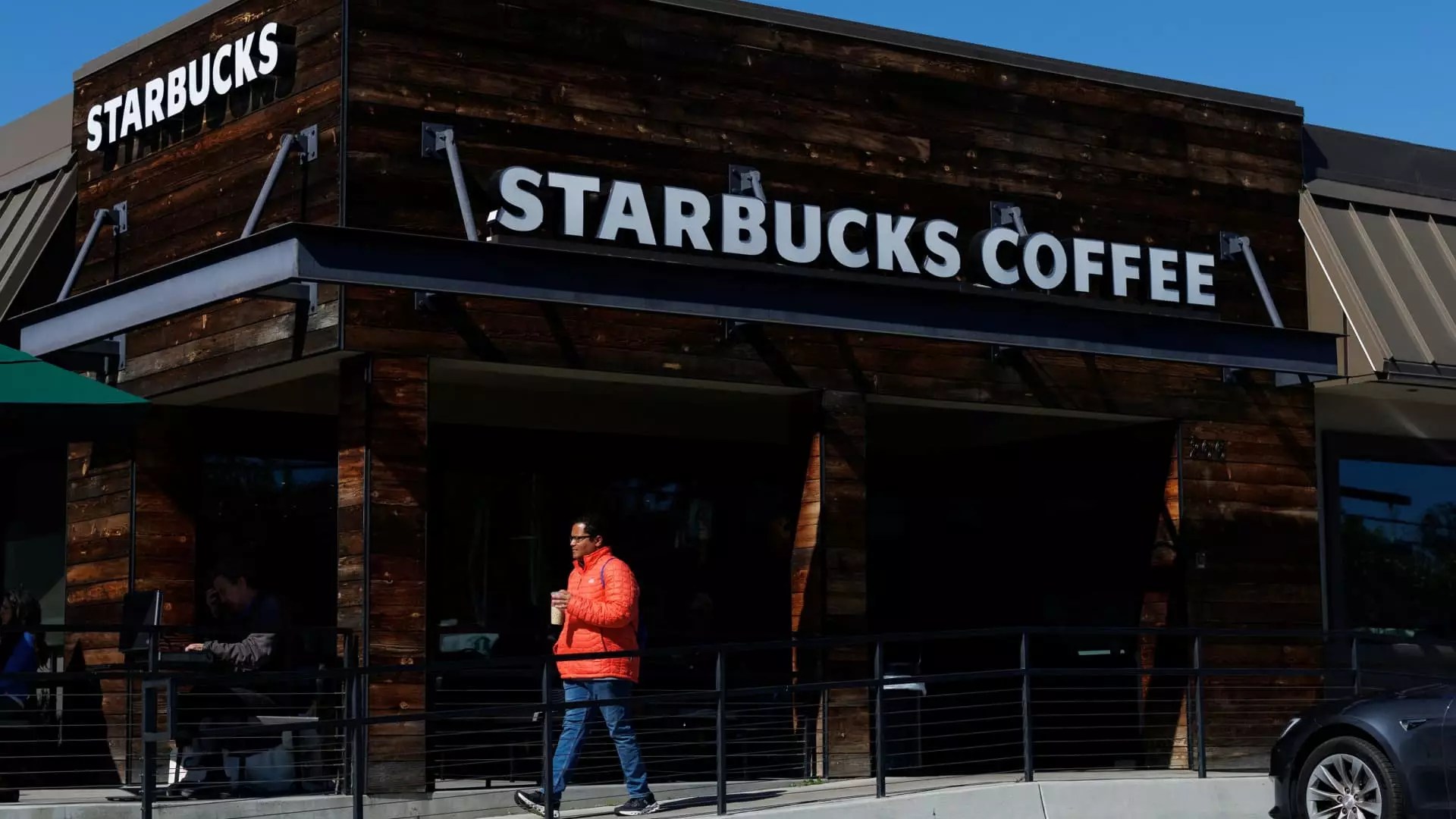
The restaurant industry is often viewed as a bellwether for consumer sentiment, and the recent turbulence in the stock market underscores this unsettling reality. As signs of a potential economic downturn flash red, restaurant stocks have taken a nosedive, abandoning the buoyancy they enjoyed during the preceding months. This tumult isn’t just a momentary blip; it carries profound implications for investors, operators, and diners alike.
Tariff Woes Weigh Heavily
One cannot ignore the ominous shadow cast by President Trump’s recent tariff decisions. While the immediate impacts on restaurant stocks may appear limited, the ripple effects are indeed alarming. Analysts are divided on the extent of the indirect costs to the dining sector, but the consensus is clear: inflation is inevitable. When basic commodities become pricier due to tariffs on key imports, consumers will soon feel the pinch. It is not only a question of direct costs impacting menus but a broader concern about what consumers will be willing – or able – to spend on dining out.
In particular, coffee, an essential for many restaurants and cafes, has taken a hit, especially given that most of it is sourced from nations that are now facing higher tariffs. Coffee isn’t a luxury; it’s a necessity for many consumers,
The Starbucks Squeeze
Take Starbucks, for instance, which has found itself in a downward spiral. After a downgrade to neutral, investors have fled, sending stock shares tumbling almost 20% since the tariff announcement. Once a bastion of optimism and innovation in the coffee sector, the company now faces compounded challenges. The specter of recession looms large, and while Starbucks may attempt to revamp its U.S. operations, the unpaid bills that consumers are soon to accumulate cast the company in a precarious light.
Moreover, there’s a risk of backlash from consumers due to growing anti-American sentiment abroad, especially in China, where Starbucks enjoys substantial revenue. If political tensions escalate, the ramifications could spell disaster for their already vulnerable international expansion plans. A misplaced strategy in a politically charged global market can quickly turn a triumph into turmoil.
Casual Dining Cuts Deep
Casual dining establishments are no exception to this malaise. Dine Brands, the owner of Applebee’s and IHOP, recently saw a significant drop in share prices, highlighting a broader trend among casual dining stocks which have become mirages of innovation. The allure of premium dining experiences is waning as patrons tighten their belts in the face of inflation fears. This undeniable shift toward cheaper dining options is not merely a response to rising costs – it indicates a fundamental transformation in consumer behavior.
Under these circumstances, the fast-casual dining segment – previously basking in the luminescence of investor favor – is also taking a licking. Brands like Chipotle and Sweetgreen demonstrate how rapidly fortunes can fade. This sector once touted resilience against economic volatility, but fragility has surfaced, revealing the precariousness of incumbent brands when the economic climate shifts.
Fast-Food’s Fragile Shield
Traditionally, fast-food chains have danced the delicate tango of recession resistance, as diners gravitate toward affordable options when purse strings are pulled tight. Yet, even giants like McDonald’s and Yum Brands have not escaped this downward spiral unscathed. The twist? Even these chains saw declines as customer foot traffic plummets; it seems all consumer segments are being impacted as fear permeates the economic landscape.
This paints a troubling picture for the industry as a whole: when even staple fast-food franchises begin to falter, it illuminates a deeper issue concerning the unpredictability of current economic conditions and the rising skepticism among the general populace.
Competition Breeds New Realities
Despite the doom and gloom scenario overshadowing many restaurant stocks, there are budding stars within this landscape. Dutch Bros, a rising competitor in the coffee space and a direct rival to Starbucks, has recently experienced growth contrary to the market trend. Its ability to capture consumer interest amid generalized declines highlights the complexities of modern consumer behavior.
Similarly, Cava has made significant inroads, illustrating that innovation and adaptability can allow some brands to thrive amidst economic uncertainty. With shifting preferences toward health-conscious dining experiences, these outliers may rewrite the script for profitability amid chaos.
The future of the restaurant industry is clouded with uncertainty, and although some brands grasp at fleeting profitability, the notion that they exist detached from broader economic trends is a fallacy.

- Investment Planning For Students Yelofunding - January 8, 2026
- Commercial Real Estate Analysis And Investments Types - January 8, 2026
- 500 Million Reason to Pause: A Critical Look at Louisiana’s Tax Proposals - June 6, 2025
Leave a Reply