
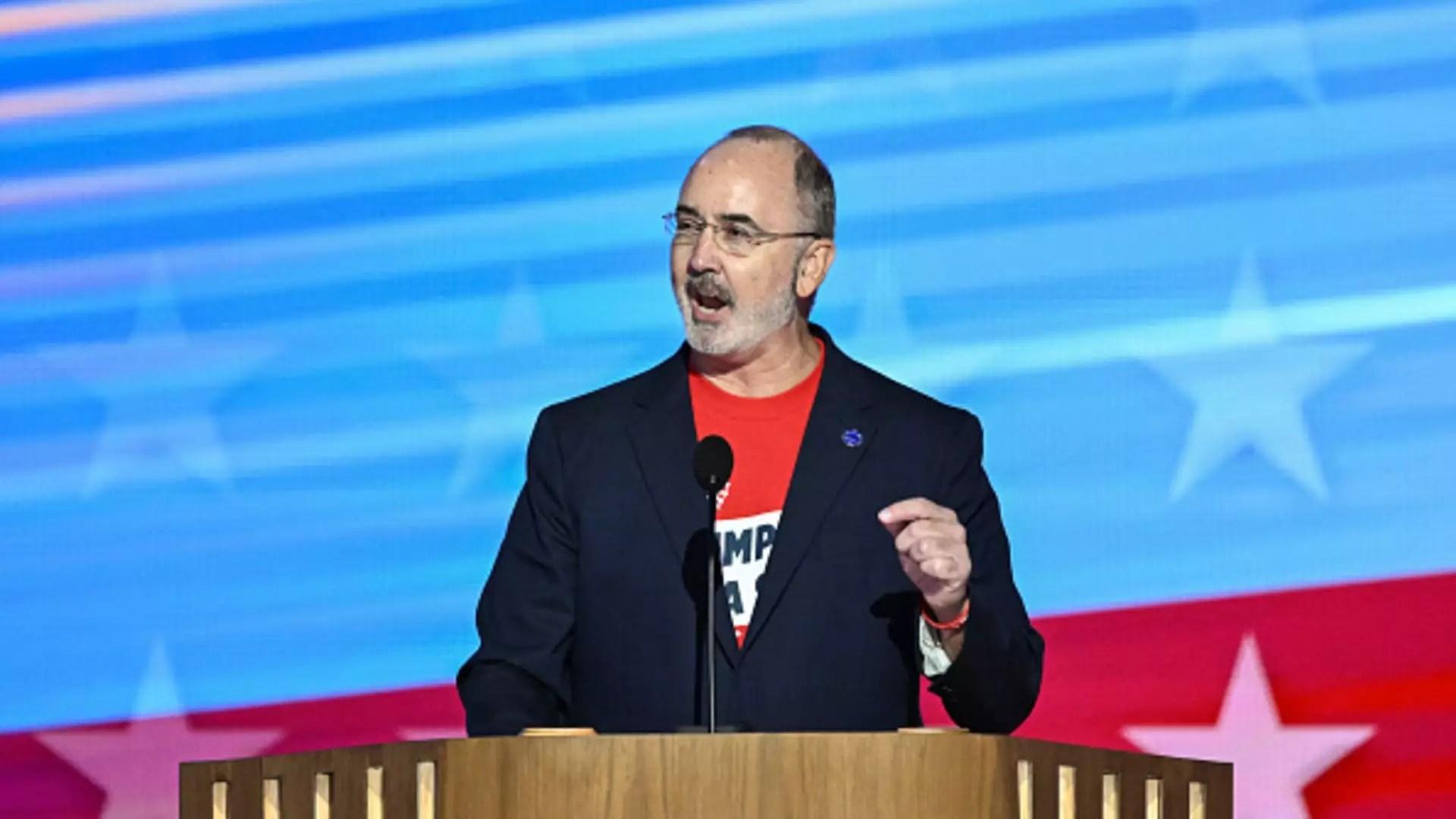
In an unexpected twist, the United Auto Workers (UAW)—once a staunch critic of Donald Trump—has aligned itself with his administration’s controversial tariff policies. UAW President Shawn Fain, who previously vocally condemned Trump’s approach, now finds himself endorsing tariffs aimed at protecting American jobs within the automotive sector. This newfound support underscores a growing recognition that the financial landscape for blue-collar workers has deteriorated over decades, exacerbated by international trade agreements.
Fain’s pivot demonstrates a pragmatic approach amid economic despair. He acknowledges the challenges faced by workers, stating, “Tariffs aren’t the end solution, but they are a huge factor in creating, fixing the problem.” This marks a significant ideological shift for the UAW, indicating that the organization may be willing to reconcile previous grievances in pursuit of tangible benefits for its members.
A Tool Against Free Trade Disruption
For workers, the looming question remains: how effective will tariffs be in reversing the catastrophic job losses attributed to free trade policies? Since the North American Free Trade Agreement’s (NAFTA) inception in 1992, American manufacturing has faced a steady decline, and voices like Fain’s are calling for action. He describes the current situation as “a free trade disaster that has dropped like a bomb on the working class,” a sentiment that resonates deeply with the beleaguered workforce.
While tariffs can certainly serve as a buffer against cheap imported goods, they also risk being a double-edged sword. Major auto manufacturers express concerns regarding increased production costs, highlighting fears that these tariffs could lead to price hikes for consumers. Critics of the tariff strategy argue this added financial strain could detour potential buyers, further complicating the recovery of the American auto market.
The Economic Role of Tariffs
Trump’s 25% tariffs on automobiles and parts are framed as critical tools to not only safeguard jobs but also to revitalize a stagnant industry. The leverage of tariffs is positioned as a means to mitigate the economic damage inflicted by previous trade deals. Statements from the UAW indicate that they hold the corporations responsible for any additional costs incurred—a stance that underscores a shift from traditional labor relations.
Amid these shifting tides, corporate executives have criticized tariffs for imposing chaos rather than restoration. Ford CEO Jim Farley articulates this conflict, noting the ongoing challenges to the U.S. auto industry and the burdens tariffs impose. Yet, is it possible that Fain’s endorsement represents a more profound understanding of immediate realities, as job security remains the ultimate priority for working-class Americans?
Tariffs: Short-term Pain or Long-term Gain?
While Fain acknowledges that tariffs are not a permanent solution, their role in the industrial landscape cannot be dismissed. The UAW, albeit under scrutiny due to a federal investigation into malfeasance within its ranks, appears to have recentered its priorities. The union’s current involvement aims to secure concessions from the Trump administration, effectively signaling a shift towards a partnership—or at least a working relationship.
Interestingly, political dynamics within labor organizations and their relationships with political figures evolve, often influenced by expedience rather than ideology. Even as Fain has historically lambasted Trump, the reality is that he now sees the importance of collaboration to address a crisis affecting thousands.
Parsing the Leadership Divide
The noticeable division between labor unions and corporate leaders raises critical questions about the future of American manufacturing. Fain’s comments, along with the union’s statement emphasizing corporate accountability, reflect a changing attitude among labor advocates. This is a far cry from previous confrontational approaches characterizing politics surrounding labor relations.
Trump’s election has transformed the landscape, and Fain’s realization that forging a constructive dialogue with the administration is paramount may reveal broader shifts within the labor movement. While traditional sentiments flow against the business interests, a cooperative approach might render positive outcomes for both parties, given the shared goal of a thriving workforce.
The Future of UAW in the Trump Era
Ultimately, the shifting narrative suggests a necessity for unions to adapt to political realities, rather than remain steadfastly oppositional. As tariffs potentially reshape the contours of the automotive industry, Fain and the UAW are learning that strategic collaborations could bear fruit for their constituents.
As voters and workers alike remain keenly aware of the necessity for effective leadership, the UAW’s alignment with Trump’s tariffs could serve not just as a survival mechanism but as an essential pathway toward empowering blue-collar workers. Navigating these complex dynamics will require courage and astuteness, and it remains to be seen how this initiative will impact both the labor organization and its loyal workforce in the months and years to come.

- Investment Planning For Students Yelofunding - January 8, 2026
- Commercial Real Estate Analysis And Investments Types - January 8, 2026
- 500 Million Reason to Pause: A Critical Look at Louisiana’s Tax Proposals - June 6, 2025
Leave a Reply