
The recent implementation of tariffs by the Trump administration represents a seismic shift in U.S.-Canadian relations, a shift that many small businesses across the border are feeling acutely. Once considered a steadfast ally and an essential trade partner, Canada now finds itself grappling with rising tensions exacerbated by economic sanctions. As we delve into the complexities of this relationship, it’s clear that the ramifications of tariffs extend far beyond mere numbers and statistics; they impact the very fabric of trust that has sustained cross-border commerce for decades.
The Economic Framework: Numbers Tell a Story
To grasp the full impact of these tariffs, consider this staggering statistic: in 2024, trade goods totaling an impressive $762.1 billion flowed between the U.S. and Canada. Such figures represent not simply monetary transactions but a robust web of interconnectedness that has historically benefited both nations. Canada’s reliance on the U.S. market is profound; over 75% of Canadian exports find their way to American consumers, and conversely, nearly half of all imports come from the U.S. This data supports the view that any disruptions can have cascading effects, particularly for small businesses that are especially vulnerable to external shocks.
Yet, while these economic indicators reveal a deep interdependence, they have also begun to fray under the pressure of tariffs that target essential sectors, such as energy and automotive manufacturing. The imposition of a 10% tariff on Canadian energy and 25% on other imports is a misstep that threatens not just economic stability but the cherished trust that characterizes the U.S.-Canada trading relationship.
Canadian Resilience: A Shift in Mindset
Interestingly, this challenging period has provoked a unique sense of national pride among Canadian businesses. Rather than simply absorbing these tariffs with resignation, companies like Balzac’s Coffee Roasters have transformed adversity into opportunity. By rebranding menu items to reflect Canadian heritage, the café chain is not merely countering tariffs; it’s championing a patriotic stance against the backdrop of economic uncertainty. The launching of the “Canadiano” menu item symbolizes a larger movement among Canadian businesses to redefine how they engage with their American counterparts.
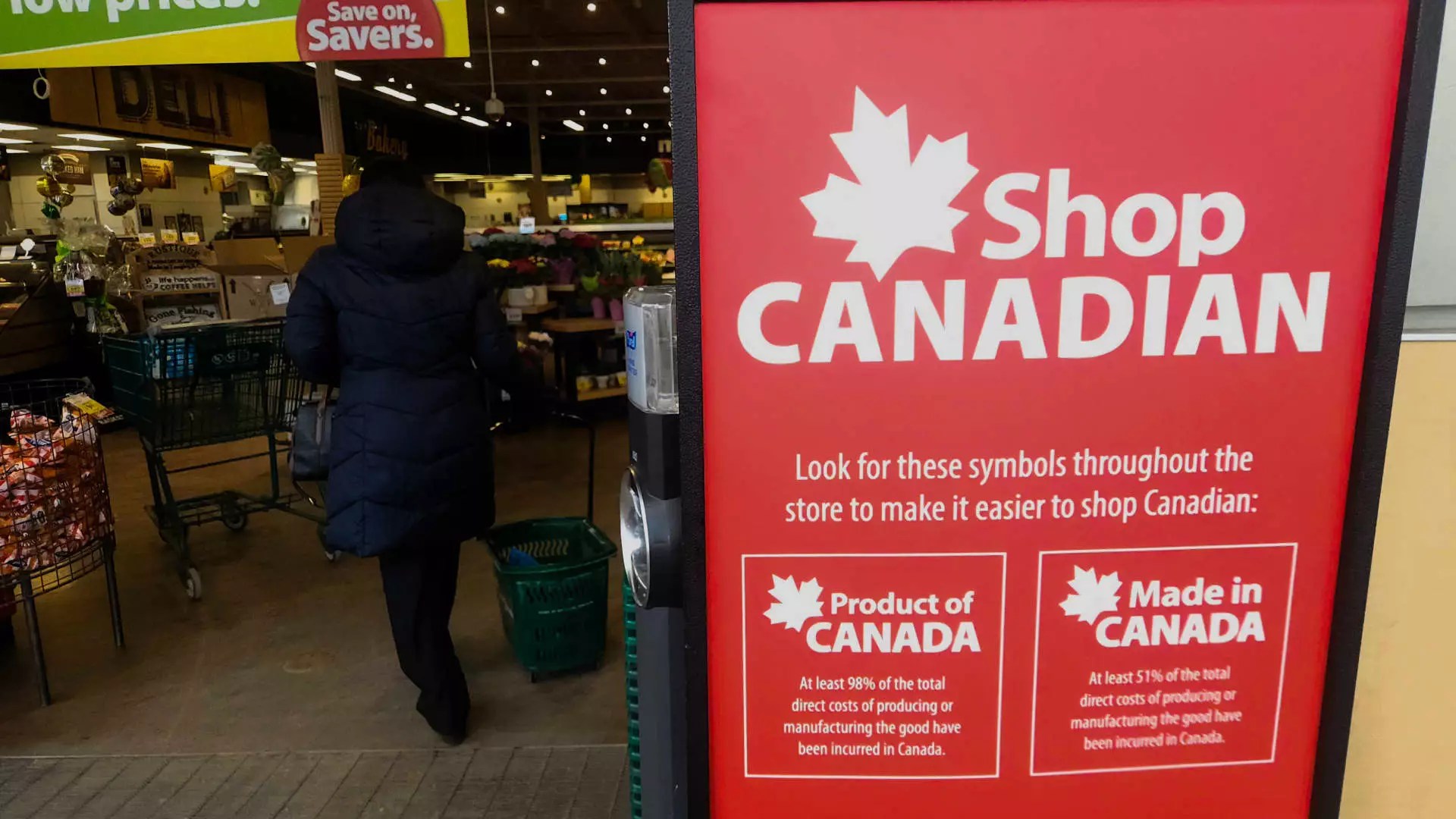
Independent Grocers, too, have taken steps to showcase Canadian-produced goods, prominently labeling them with maple leaf icons to remind consumers of their national origins. It’s a strategic pivot that acknowledges the emotional ramifications of tariffs while also providing customers with a meaningful choice in their purchasing decisions. In some ways, the tensions brought by tariffs have emboldened Canadian businesses to lean into their identity and prioritize local products over imports from a once-reliable partner.
Emotional Fallout: A Breach of Trust
Perhaps even more troubling than the economic implications are the emotional repercussions accompanying this turmoil. Corinne Pohlmann, executive vice president of advocacy at the Canadian Federation of Independent Business (CFIB), underscores the profound sense of betrayal felt by many Canadians. It’s hard to overstate how trust can crumble under the weight of economic sanctions. As businesses ponder how to navigate increased costs and renegotiate contracts, the emotional toll of tariffs makes recovery at times seem an insurmountable challenge.
Pohlmann’s insights reveal a growing sentiment among Canadian businesses—a recognition that their relationship with U.S. counterparts has suffered irreparable damage. According to recent surveys, over half of CFIB members now view the U.S. as an unreliable trading partner. The decision by institutions like the Liquor Control Board of Ontario to halt purchases of U.S. products is just one example of how tariffs have prompted a re-evaluation of long-standing business relationships.
Long-term Consequences: A Lost Soft Power
At its core, the imposition of tariffs reveals more than economic data; it shines a light on the erosion of soft power that has defined American influence globally. Former Secretary of State Antony Blinken voiced concerns that America’s power dynamics may suffer a critical setback if trust continues to deteriorate. When the foundation of mutual respect in trade erodes, it weakens the broader geopolitical stance that the U.S. has long enjoyed.
As Canadian businesses grapple with the reality of lost contracts and damaged trust, the road to recovery seems fraught with complexity. Even if tariffs are lifted, the scars left behind may take years to heal. Canadian businesses are likely to operate with caution, second-guessing the reliability of their American trading partners for the foreseeable future.
By examining these evolving dynamics, it becomes evident that the consequences of tariffs on U.S.-Canada relations extend meticulously into both economic and emotional territories. As these nations navigate the uncertain waters ahead, the fallout from current trade policies will undoubtedly ripple through the decades to come.

- Investing In Wristwatches - March 8, 2026
- 7 Best Investment Options For Millennials - March 8, 2026
- Investment Planning For Students Yelofunding - January 8, 2026
Leave a Reply