
The inefficiencies in public transit financing are increasingly under scrutiny, and the battle for limited infrastructure funds is more intense than ever. A surface transportation bill reauthorization has emerged as a focal point, igniting debates on transit funding’s future. As reflected in the exchanges from recent sessions of the House Transportation and Infrastructure Committee, the complexities surrounding these discussions pose genuine concerns for public transportation in America. This scenario is not merely an administrative concern; it is about the very fabric of urban accessibility, economic vitality, and social equity.
Historically, the Highway Trust Fund allocates 20% of its revenues to public transit, which many view as a successful model of intermodal financing. However, as governmental budgets tighten and priorities shift, preserving this critical funding has become a daunting challenge. Rep. Rick Larsen’s commitment to ensuring transit funding in the next surface bill reflects a broader concern about public service investments. In this context, it is imperative to negotiate or redefine this funding structure to adapt to the current landscape of transportation, environmental sustainability, and urban planning.
The Dangers of Policy Inconsistency
The stark policy differences between administrations add another layer of complexity. The Trump administration’s arrival signaled a distinct shift in focus—prioritizing roads over rails and casting a skeptical eye on transit ridership numbers like they were financial red flags. This change poses serious ramifications when considering the need for comprehensive urban transport solutions. Without a commitment to maintaining or expanding transit operations alongside highway investments, growth may stagnate or worse, reverse.
Such an approach risks alienating populations that rely on public transportation as an economic lifeline. Furthermore, the persistent narrative clinging to transit as a refuge for the marginalized undermines its potential as a transformative equalizer. If the current administration—and by extension, the public—views transit as less worthy than highway expansion, it perpetuates a cycle of underinvestment.
It is troubling how policy perspectives affect resource allocation. Authorities would do well to recognize that a healthy public transit infrastructure not only supports the underserved but enriches communities at large. All too often, discussions pivot towards grand projects like bridges and roads, undermining the potential for innovative transit solutions.
Funding Challenges and Opportunities
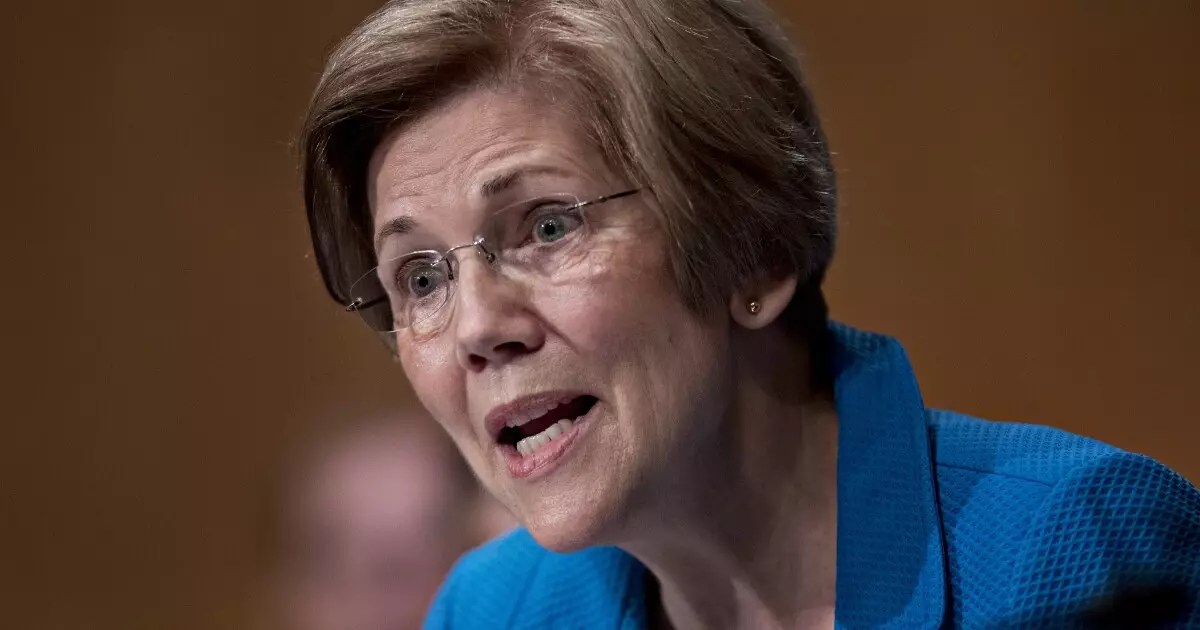
Budget proposals unveiled by the House T&I Committee evoke mixed feelings. For every electric vehicle fee intended to offset lost gas tax revenue, there lies a lingering concern that these funds may not adequately benefit transit agencies. Sen. Elizabeth Warren’s push for at least 20% of new revenue to be allocated to transit needs a serious dialogue that reinforces mutual interests across the political spectrum. The urgency of securing stable funding cannot be overstated.
Now is the time to advocate for a reset in how local, state, and federal governments assess transit. The administration’s call to delve into the nitty-gritty of safety issues, while necessary, may detract from a broader vision. Can transit be both secure and a positive social space, or are we simply settling for its portrayal as a last resort in urban mobility?
A Vision For Cleaner, Safer Transit
Securing public transit funding should not devolve into a battleground pitting one mode of transportation against another. Rather, we must aspire to create clean, accessible spaces that serve a diverse demographic. The messaging from Transportation Secretary Sean Duffy invokes a valid point: public transit should not designate a zone for the vulnerable, nor should it be likened to doomsday scenarios where crime proliferates.
A collective challenge remains: how can stakeholders reimagine transit to enhance its appeal? Shouldn’t the goal be to provide riders with safe and dignified options? The “ugly stepchild” narrative must be shifted; investment in public transit should be viewed as a progressive necessity rather than a remedial afterthought.
Holding on to antiquated views about what public transit represents limits not only its funding potential but significantly reduces urban innovation. Localities and policy-makers must engage in proactive consultations, engaging citizens, experts, and transit advocates in discussions on how to rejuvenate public transportation. This collective input will ultimately shape a more responsive transit system that meets modern demands.
In this new paradigm, let us not shy away from confronting the financial and structural elements that allow transit to flourish. The choice must be about creating robust, equitable public transportation systems that do so much more than just move people—they connect communities and boost economies.

- Investing In Wristwatches - March 8, 2026
- 7 Best Investment Options For Millennials - March 8, 2026
- Investment Planning For Students Yelofunding - January 8, 2026
Leave a Reply