
When Wes Moore, the Governor of Maryland, reflects on his early experiences, he reveals a deeply personal and transformative journey that sheds light on the broader challenges many face today regarding housing and wealth accumulation. At the tender age of eight, Moore’s mother contemplated sending him to military school, a decision reflective of her struggle to navigate the challenges of parenting in an environment where opportunities were often out of reach. By the time he was thirteen, that decision became a reality. A profound quote from him encapsulates the transformative effect of his military education: “That place ended up really helping me change my life.” Here, Moore’s experience serves not only as an individual narrative of resilience but also as a microcosm of the systemic hurdles many Americans, especially in his home state, encounter regarding education, housing, and upward mobility.
Moore’s tale is intertwined with the sacrifices made by his grandparents, who borrowed against their hard-earned asset—their home. Their story is emblematic of the American dream, now overshadowed by the relentless rise of housing costs and the growing financial pressures that threaten to extinguish the hopes and dreams of younger generations. In his remarks during a recent BlackRock conference, Moore eloquently articulated how housing extends beyond mere shelter; it represents security, investment, and generational inheritance. This perspective is crucial as we unpack the factors contributing to the housing crisis in Maryland and across the nation.
The Stark Reality of Housing Affordability
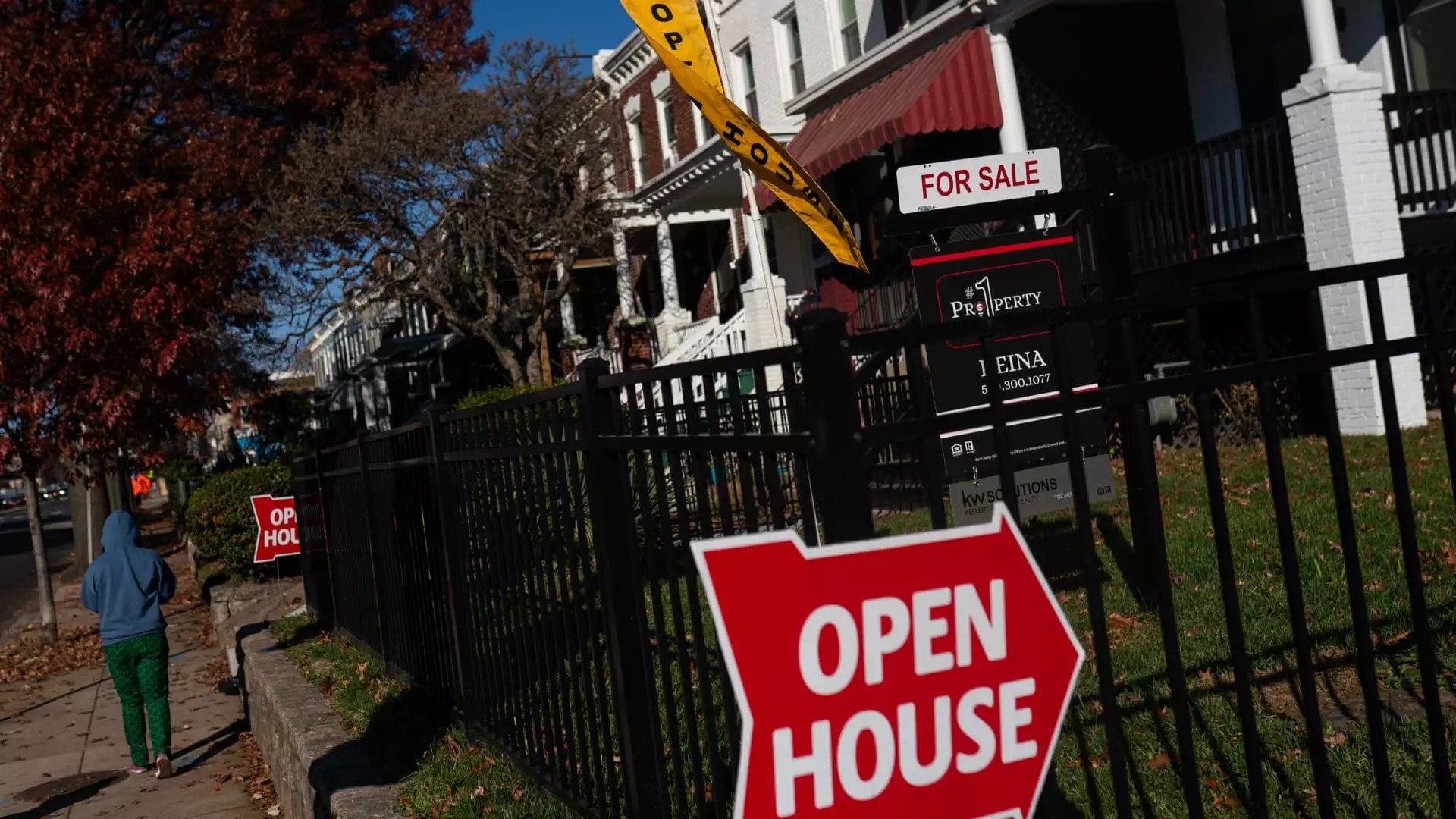
Today, the challenges faced by aspiring homeowners and renters are alarming. According to a 2024 report from the Joint Center for Housing Studies of Harvard University, approximately 30% of young Maryland residents are considering leaving the state due to prohibitive housing costs. This statistic lays bare the struggle of millennials and Generation Z as they grapple with an economy that has witnessed skyrocketing home prices and soaring interest rates, creating a reality where many feel the dream of homeownership is slipping further away.
The statistics tell a troubling story. Cost-burdened renters, defined as individuals spending more than 30% of their income on housing, reached an all-time high in 2022. Simultaneously, research from the Urban Institute shows that the median home prices have surged faster than the median household incomes since 1980, dramatically widening the gap between aspiration and reality for many. The burden is particularly heavy on those aged 35 to 44 years old—a cohort traditionally seen as entering the prime home-buying years—who now face a homeownership rate decline of over 10% compared to those in the same age bracket 45 years ago.
These numbers illustrate a grim reality: while immediate economic conditions can fluctuate, the lasting impact of barriers to homeownership is a generational tragedy that echoes through families. Those who cannot purchase homes miss out on wealth-building opportunities that real estate often provides, trapping them in cycles of economic hardship—a reality exacerbated by poorer educational opportunities and a race gap in homeownership rates, especially within the Black community.
Bridging the Homeownership Gap: Policy Solutions Needed
The situation calls for a robust examination of policy initiatives that can address the pressing inadequacies in the housing market. There is almost a palpable urgency felt among economists and political leaders to advocate for meaningful change that offers hope to millions of potential first-time homebuyers. Simple but profound policy shifts—including down payment assistance programs, educational initiatives for low-income families, and liberalization of zoning laws—could greatly reduce barriers to homeownership.
In recent years, we have seen initiatives aimed at bolstering Black homeownership rates, which, despite being the highest increase among racial groups in 2023, still languished at just under 45%. The evidence suggests that targeted economic interventions, such as increased wage growth and financial literacy programs, could catalyze substantial improvements in homeownership rates among marginalized communities.
However, these discussions should be inclusive rather than divisive. While it’s critical to acknowledge historical racial disparities in housing, we must also connect with those who have been economically sidelined regardless of their background. Our collective responsibility should focus on constructing an equitable housing landscape that recognizes the unique challenges different demographics face while advocating for universal support systems that facilitate upward mobility for all.
As we grapple with this complex web of challenges, it is vital that we reject complacency and demand actionable changes to our housing policies. The homeownership dream that sustained generations should not be relegated to a mere memory but revitalized as an attainable goal for all who endeavor to invest in their future. The time for change is now, and the stakes could not be higher.

- Investment Planning For Students Yelofunding - January 8, 2026
- Commercial Real Estate Analysis And Investments Types - January 8, 2026
- 500 Million Reason to Pause: A Critical Look at Louisiana’s Tax Proposals - June 6, 2025
Leave a Reply